
A judgment-free look at process, upkeep and practical tradeoffs—without claiming that one method is best for everyone.
Begin with choice, not a rule
The American College of Obstetricians and Gynecologists says pubic hair is normal and there is no medical reason to remove it. Some people shave, some wax, some trim and some do none of the above.
A useful comparison should help you choose. It should not pressure you or turn a grooming preference into a hygiene claim.
How shaving works
A razor cuts hair at the skin’s surface. The AAD describes the result as short-lived, so some people shave daily or every few days to maintain the look they want.
The AAD also notes that frequent shaving can irritate skin and that shaving can cause cuts, nicks, razor burn and ingrown hairs. Wetting the skin and hair, using shaving cream or gel, shaving in the direction of growth and using a sharp blade can make the process more comfortable, but no technique guarantees an irritation-free result.
“Read reviews and ask for recommendations to find a trustworthy salon.”
Public statement in Cleveland Clinic’s guide to preparing for a professional Brazilian wax. Not a customer testimonial or brand endorsement. Read the original source.
How waxing differs
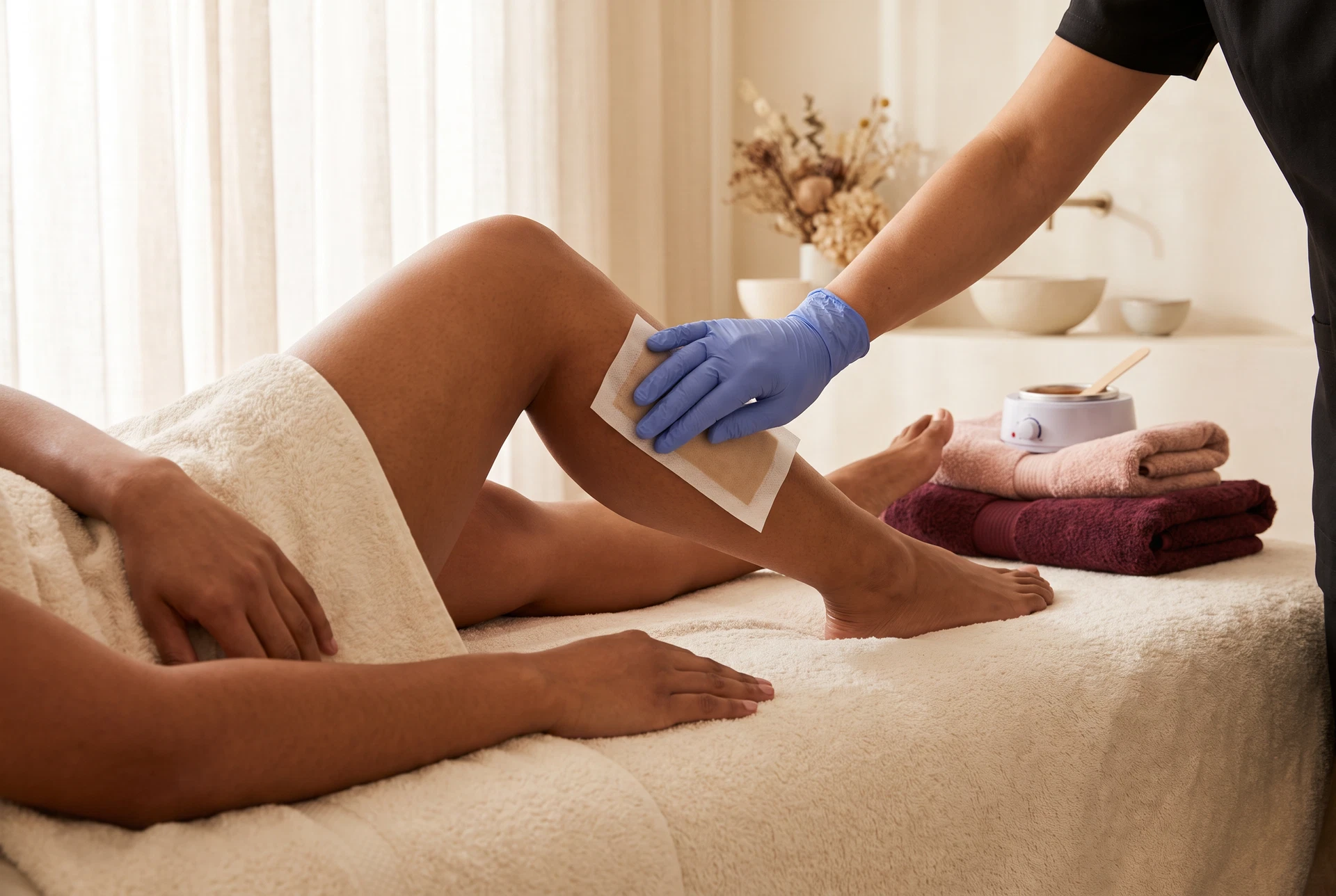
Waxing applies warm or cold wax and removes hair from the root. The AAD says results can last a few weeks or longer and also notes that removal can be painful and freshly waxed skin can be briefly red or irritated.
Overly hot wax can burn skin. A professional appointment should include clear communication, a clean setting and a new applicator each time wax is taken from the pot.
Compare the everyday tradeoffs
Shaving is usually done at home, works at the surface and may require more frequent upkeep. Professional waxing is an appointment-based service that removes hair from the root and may allow a longer interval before you choose to repeat it.
Neither description predicts exactly how your skin will respond, how quickly hair will appear again or which method you will prefer.
If you book a professional wax
Choose a properly licensed provider where applicable and ask about hygiene practices. The AAD advises using an unused wooden stick for each wax application because double-dipping can transfer bacteria and other germs.
Disclose relevant skin products and medications. Questions about prescriptions or symptoms belong with the prescribing professional or a dermatologist.